
- Major ActivitiesMajor ActivitiesThe Northeast Asian History
Foundation is the center of
Northeast Asian history research - ResourcesResourcesThe Northeast Asian History
Foundation is the center of
Northeast Asian history research - NewsNewsThe Northeast Asian History
Foundation is the center of
Northeast Asian history research - IntroductionIntroductionThe Northeast Asian History
Foundation is the center of
Northeast Asian history research
-
Screen size
-

- Major Activities
- Resources
- News
- Introduction
- Website Guide
Activities
- Hit 15
Academic Conference on The History of Korean Architecture:
Korean Life and Thought Embedded in Space Held
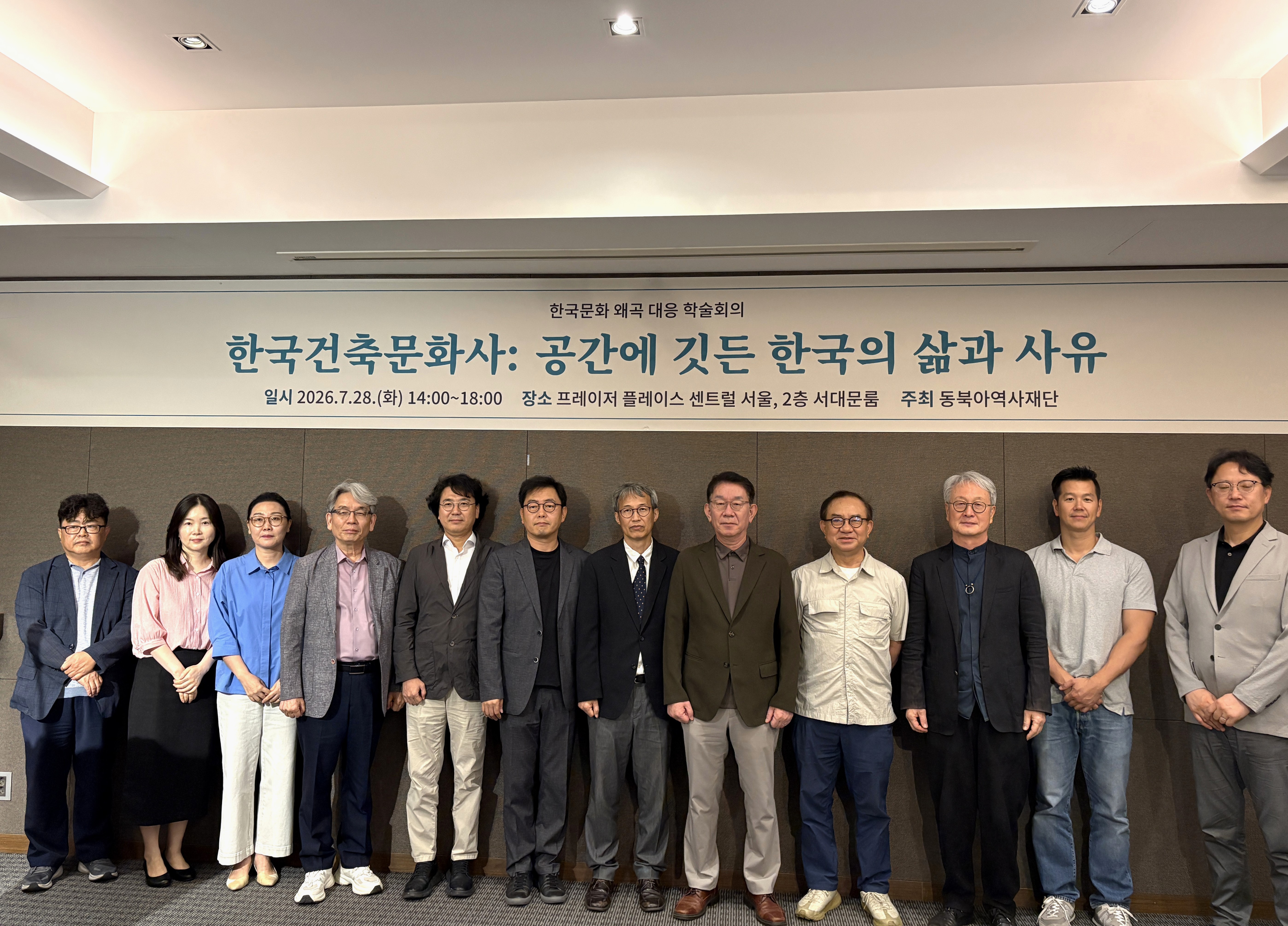
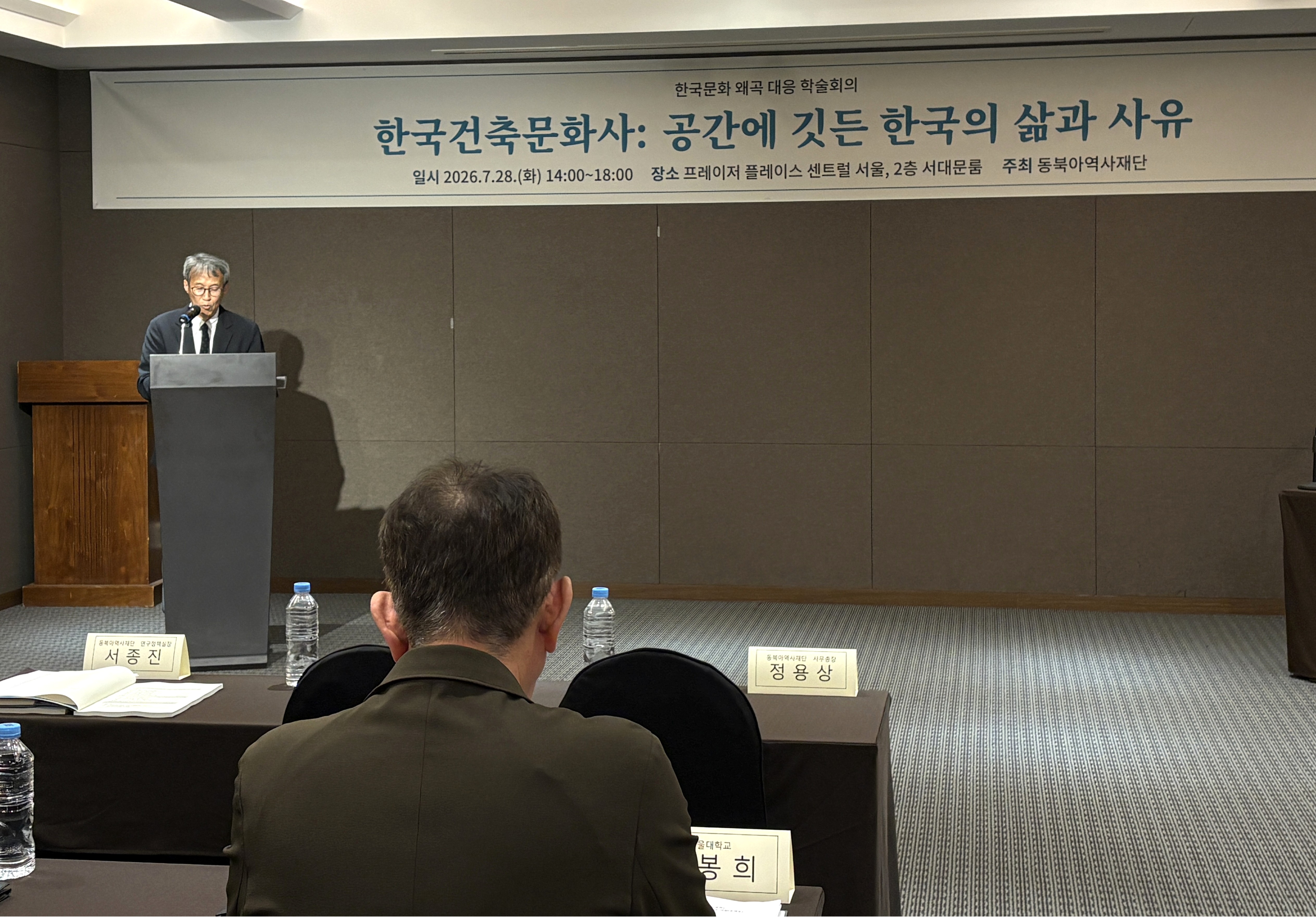
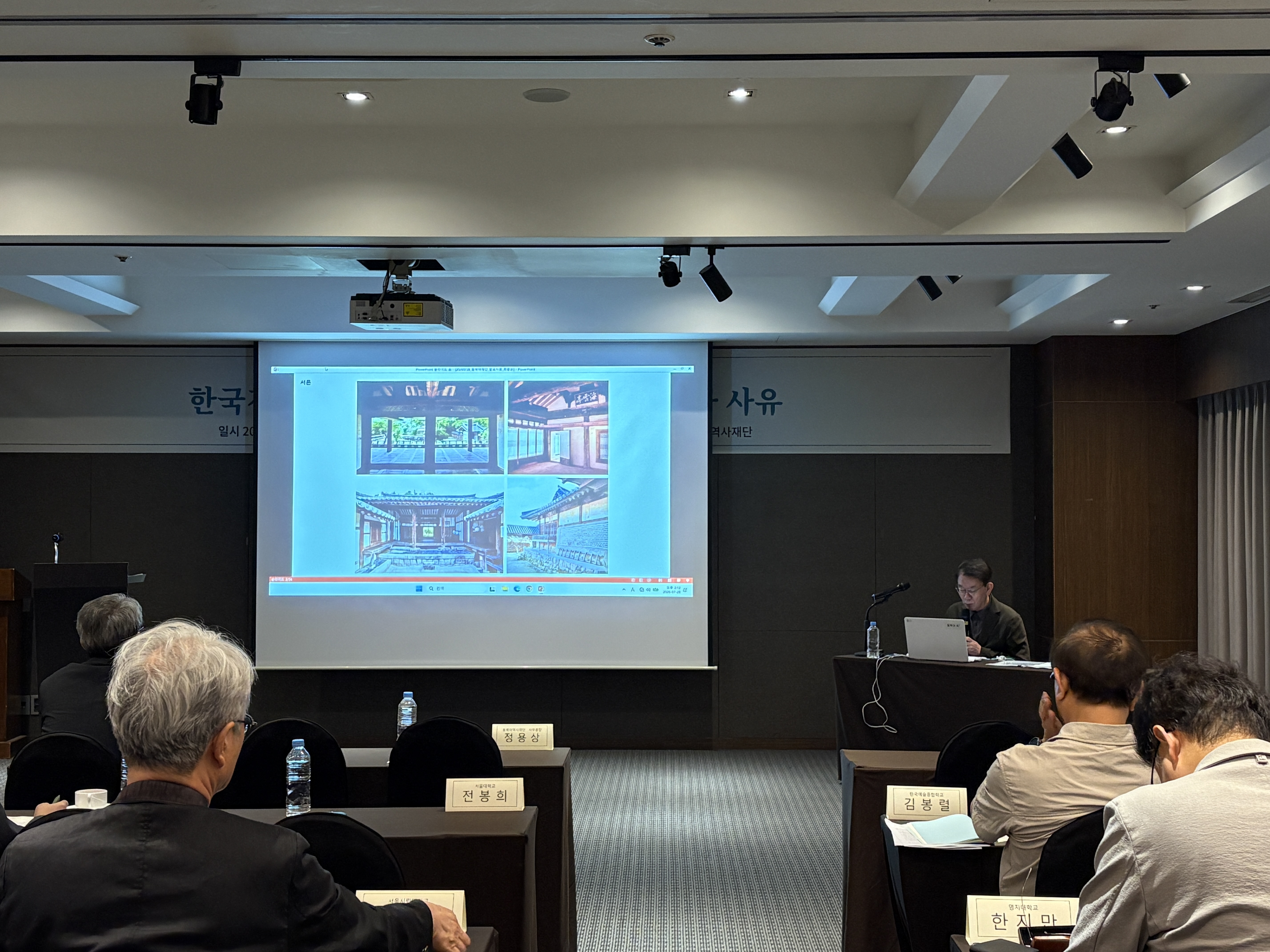
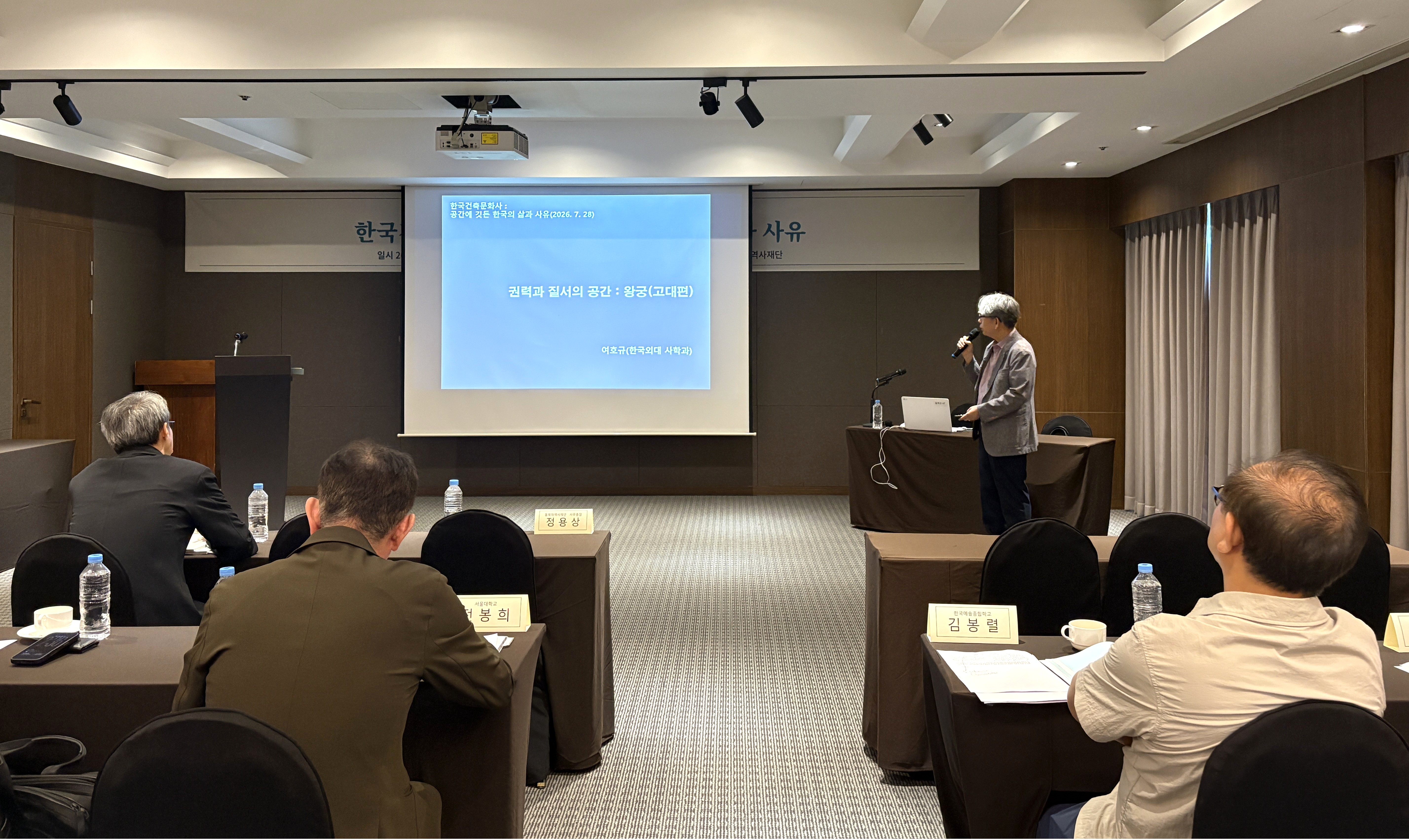
The Northeast Asian History Foundation held an academic conference titled The History of Korean Architecture: Korean Life and Thought Embedded in Space on July 28 at Fraser Place Central Seoul.
In recent years, claims have emerged on Chinese online platforms asserting that Korean architectural heritage—including palaces and seowon (Confucian academies)—originated in China, fueling cultural disputes. In response, the Foundation organized this conference to examine the formation and development of Korean architectural culture from an academic perspective and to provide an objective framework for understanding debates over cultural origins.
The conference consisted of three sessions, featuring presentations by six experts followed by a panel discussion. The speakers explored how Korean lifestyles, political institutions, religions, and philosophies have been reflected in architectural spaces through a wide range of architectural forms, including hanok (traditional Korean houses), royal palaces, Buddhist architecture, Jongmyo Shrine, and Korea's historic capitals and fortresses.
Professor Jeon Bong-hee of Seoul National University explained that Korea's ondol (underfloor heating system) and floor-seated lifestyle gave rise to the distinctive spatial structure of hanok. Professor Yeo Ho-gyu of Hankuk University of Foreign Studies analyzed the unique characteristics of ancient Korean royal palaces through archaeological evidence and comparative studies of East Asian palace architecture. Professor Cho Jae-mo of Kyungpook National University examined how the spatial layout and architectural forms of Joseon palaces and seowon reflected the period's social customs and living environment.
Professor Shin Sun-hye of Honam University explained that the Three Kingdoms adapted imported Buddhist culture to the natural environment and technological conditions of the Korean Peninsula, developing distinctive architectural styles of their own. Professor Kim Bong-ryol of Korea National University of Arts highlighted the originality of Joseon architecture through the Main Hall (Jeongjeon) of Jongmyo Shrine, the world's longest wooden linear building. Former Seoul Institute of History Compilation Committee member Na Gak-soon introduced the characteristics of Korean fortifications, which combined flatland and mountain fortresses while making effective use of local topography and building materials.
During the panel discussion, participants agreed that Korean architectural culture was not a simple imitation of foreign traditions but the result of creatively adapting and developing external influences in accordance with Korea's natural environment, lifestyles, and political and social customs. They also emphasized the need for continued objective research and comparative studies to further clarify the historicity and originality of Korean architectural culture.
The conference confirmed that Korean architectural culture was not merely the product of one-sided imitation of foreign traditions but was formed through a process of adaptation and transformation in response to the social environments of each historical period and the natural conditions of the Korean Peninsula. It also provided an opportunity to enhance public understanding and appreciation of Korean architectural heritage while encouraging cultural disputes and debates over origins to be viewed from an objective and scholarly perspective.
- No Data